


Direkt zum Inhalt

Warenkorb

  • Laurence A. Rickels

    Ulrike Ottinger. Eine Autobiografie

  • N. John Habraken, Arnulf Lüchinger

    Die Träger und die Menschen. Das Ende des Massenwohnungsbau…

  • gerade nicht auf Lager
    Liz Kotz

    Words to Be Looked at. Language in 1960s Art

  • gerade nicht auf Lager
    Guy Debord

    Comments on the Society of the Spectacle

  • Michel de Certeau

    Kunst des Handelns

  • gerade nicht auf Lager
    Jacques Ranciere

    Ist Kunst widerständig?

  • Alain Badiou

    Wofür steht der Name Sarkozy?

  • gerade nicht auf Lager
    Donna Haraway

    Die Neuerfindung der Natur. Primaten, Cyborgs und Frauen.

  • gerade nicht auf Lager
    Stefanie Schulte Strathaus, Florian…

    Wer sagt denn, dass Beton nicht brennt, hast Du’s probiert?

  • gerade nicht auf Lager
    Henri Lefebvre

    Writings on Cities

  • Loretta Napoleoni

    Rogue Economics. Capitalism's New Reality

  • AD

    AD 174. Vol. 75. Nr. 2. Samantha Hardingham. The 1970'…

  • An Architektur

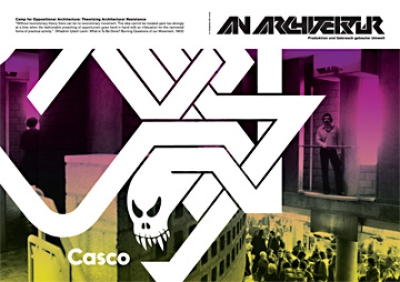
    An Architektur 18: Camp for Oppositional Architecture:…

  • Johan Frederik Hartle

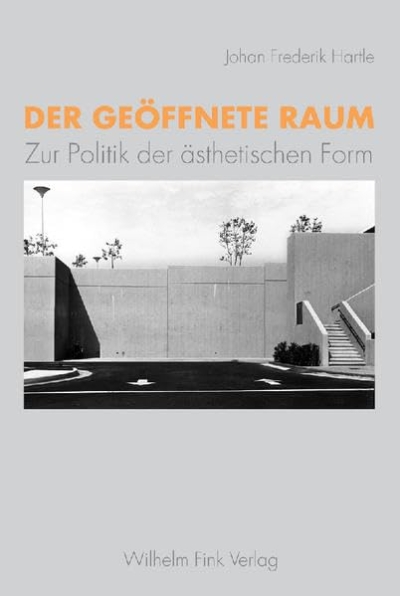
    Der geöffnete Raum. Zur Politik der ästhetischen Form

  • An Architektur

    An Architektur 16-17

  • Vera Beyer, Jutta Voorhoeve, Anselm…

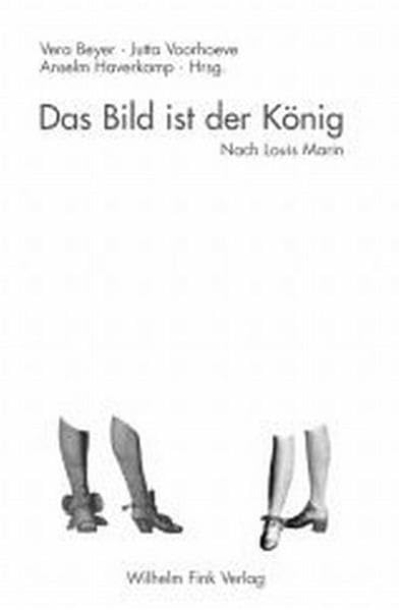
    Das Bild ist der König. Repräsentation nach Louis Marin

  • An Architektur

    An Architektur 15 / FFM 11: Europäische…

  • An Architektur

    An Architektur 14: Camp for Oppositional Architecture

  • An Architektur

    An Architektur 11-13: Theorie und Praxis der Kartografie

  • An Architektur

    An Architektur 10: Gemeinschaftsräume

  • An Architektur

    An Architektur 04-09: Krieg und die Produktion von Raum

  • IDEA Magazine

    IDEA 296. Books <preposition> graphic design

  • IDEA Magazine

    IDEA 293. Stanley Donwood / Vacances. DD-DDD / Dimensions…

  • gerade nicht auf Lager
    An Architektur

    An Architektur 01-03

  • Pro qm

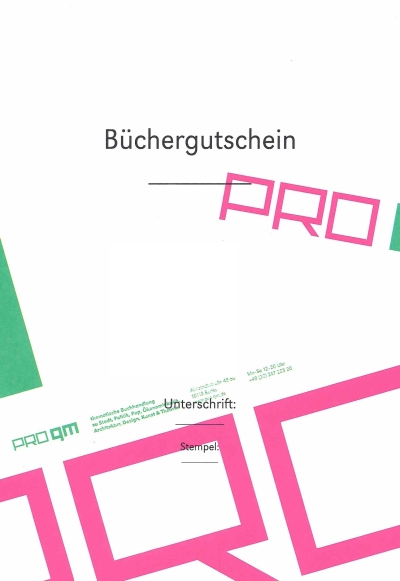
    Gutschein / Voucher

  • Siegfried Kracauer

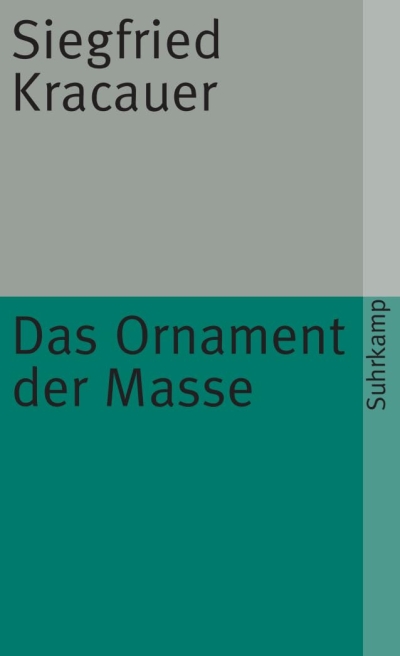
    Das Ornament der Masse. Essays

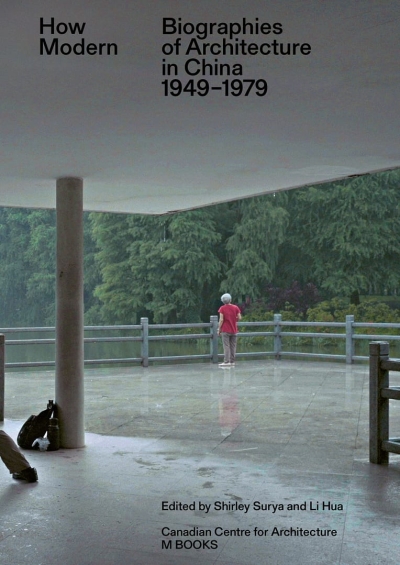
How Modern Cover

How Modern. Biographies of Architecture in China 1949–1979

Between the founding of the People’s Republic of China in 1949 and the implementation of Reform and Opening Up policies in 1979, architecture played a key role in shaping China’s vision for socialist modernity. However, driven by shifting policies throughout these three decades, modern Chinese architecture has largely been perceived as stunted. Many misconceptions of this history persist: that nationalization and collectivism denied architects creative independence, that projects focused on industrial productivity over design quality, and that the promotion of a “national style” limited more modern formal choices.
At once a question and a proposition, How Modern: Biographies of Architecture in China 1949–1979 reassesses New China’s architectural production. Reproducing primary sources alongside short essays and interviews with architects, archivists, historians, and residents, the book reflects on issues such as agency, innovation, collaboration, expertise, standardization, craft, and local and international impact. It challenges a monolithic history of socialist modernity by foregrounding the varied conditions under which modernism was conceived, realized, and experienced.

A project organized by the Canadian Centre for Architecture in collaboration with M+, Hong Kong


Shirley Surya, Li Hua (Eds.) Canadian Centre for Architecture CCA
How Modern. Biographies of Architecture in China 1949–1979
M Books, 2025, 978-3-944425-53-5
32,00 €