








Direkt zum Inhalt

Warenkorb

  • Laurence A. Rickels

    Ulrike Ottinger. Eine Autobiografie

  • N. John Habraken, Arnulf Lüchinger

    Die Träger und die Menschen. Das Ende des Massenwohnungsbau…

  • gerade nicht auf Lager
    Liz Kotz

    Words to Be Looked at. Language in 1960s Art

  • gerade nicht auf Lager
    Guy Debord

    Comments on the Society of the Spectacle

  • Michel de Certeau

    Kunst des Handelns

  • gerade nicht auf Lager
    Jacques Ranciere

    Ist Kunst widerständig?

  • Alain Badiou

    Wofür steht der Name Sarkozy?

  • gerade nicht auf Lager
    Donna Haraway

    Die Neuerfindung der Natur. Primaten, Cyborgs und Frauen.

  • gerade nicht auf Lager
    Stefanie Schulte Strathaus, Florian…

    Wer sagt denn, dass Beton nicht brennt, hast Du’s probiert?

  • gerade nicht auf Lager
    Henri Lefebvre

    Writings on Cities

  • Loretta Napoleoni

    Rogue Economics. Capitalism's New Reality

  • AD

    AD 174. Vol. 75. Nr. 2. Samantha Hardingham. The 1970'…

  • An Architektur

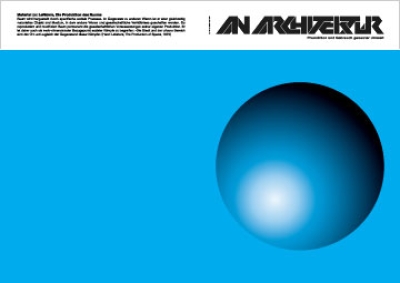
    An Architektur 18: Camp for Oppositional Architecture:…

  • Johan Frederik Hartle

    Der geöffnete Raum. Zur Politik der ästhetischen Form

  • An Architektur

    An Architektur 16-17

  • Vera Beyer, Jutta Voorhoeve, Anselm…

    Das Bild ist der König. Repräsentation nach Louis Marin

  • An Architektur

    An Architektur 15 / FFM 11: Europäische…

  • An Architektur

    An Architektur 14: Camp for Oppositional Architecture

  • An Architektur

    An Architektur 11-13: Theorie und Praxis der Kartografie

  • An Architektur

    An Architektur 10: Gemeinschaftsräume

  • An Architektur

    An Architektur 04-09: Krieg und die Produktion von Raum

  • IDEA Magazine

    IDEA 296. Books <preposition> graphic design

  • IDEA Magazine

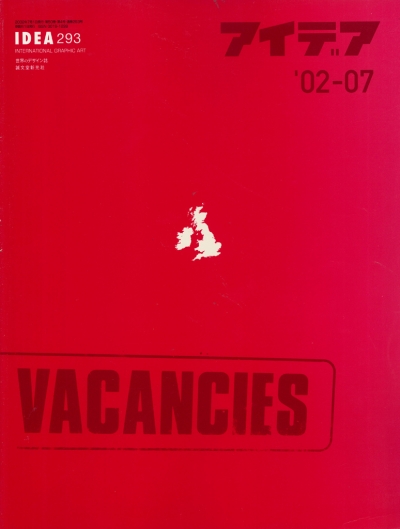
    IDEA 293. Stanley Donwood / Vacances. DD-DDD / Dimensions…

  • gerade nicht auf Lager
    An Architektur

    An Architektur 01-03

  • Pro qm

    Gutschein / Voucher

  • Siegfried Kracauer

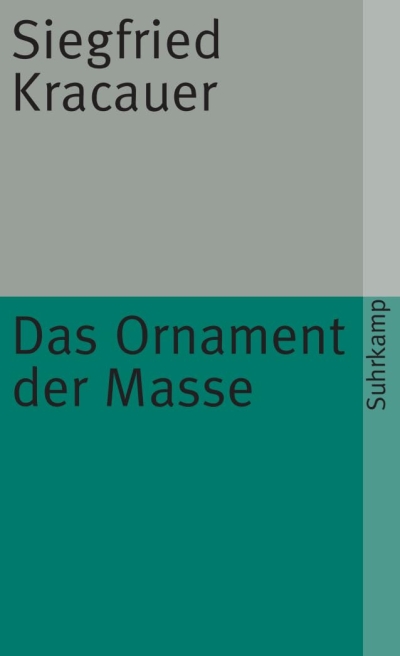
    Das Ornament der Masse. Essays

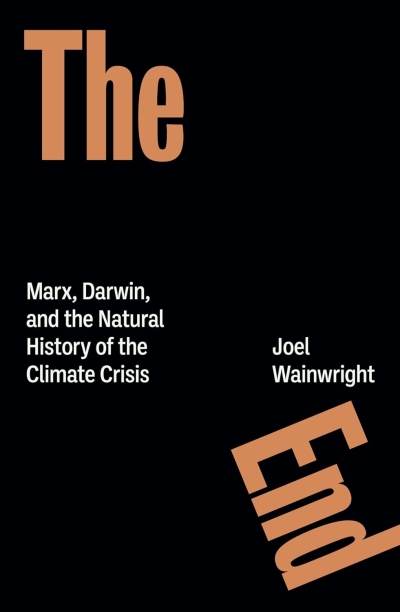
The End. Marx, Darwin, and the Natural History of the Climate Crisis

Karl Marx wrote the most important critique of capitalism, Capital, in London during the 1860s, at the very moment that Charles Darwin's On the Origin of Species had shattered humanity's conception of ourselves. In this path-breaking study, Joel Wainwright demonstrates that Capital was deeply influenced by Marx's reading Darwin's Origin of Species. Marx's thinking about history and nature changed, generating his distinctive ecological critique of capitalism as a social formation. This is why Marx called Capital a study of natural history and the book concludes, of all things, by proposing a new scientific law of human population.

The End is not only a study in revolutionary 19th century thought. Wainwright applies Marx's natural historical approach to some of the great questions of our time: How did capitalism emerge? How should we grasp human nature? And how might we confront the planetary climate crisis?


Joel Wainwright
The End. Marx, Darwin, and the Natural History of the Climate Crisis
Verso, 2025, 978-1-80429-941-8
25,00 €